Open by choice
Why Brick runs on free software: what you can change, and what you can’t
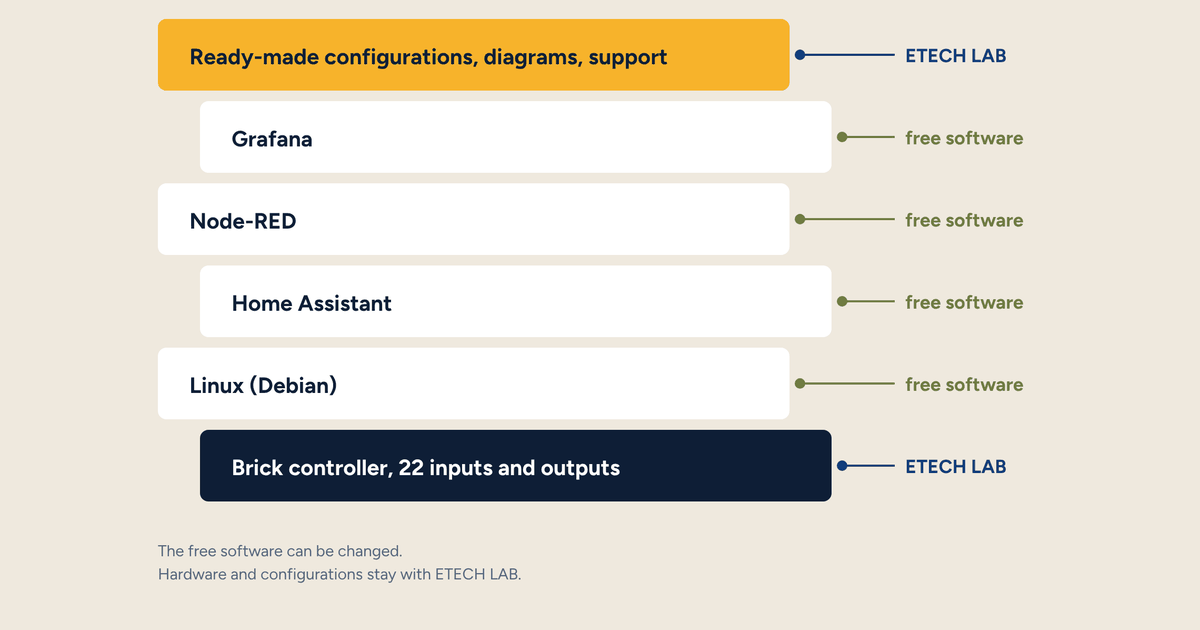
Linux, Home Assistant, Node-RED and Grafana have free licences. What that means for buyers of an open-source building automation controller.

Blog › All articles
Linux, Home Assistant, Node-RED and Grafana have free licences. What that means for buyers of an open-source building automation controller.
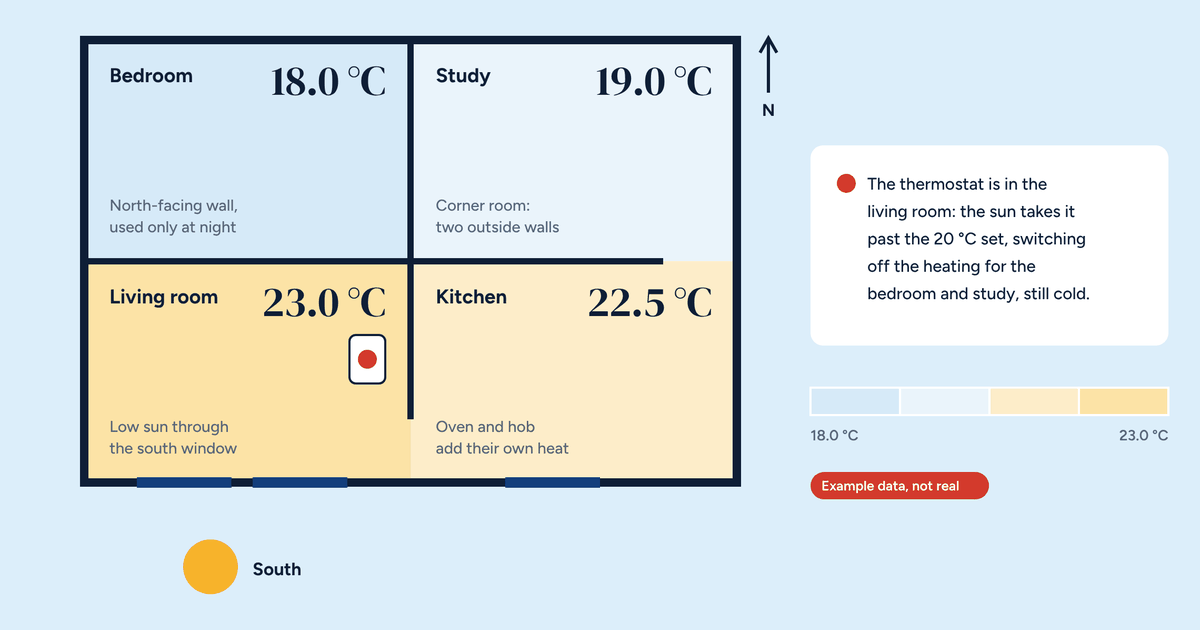
A living room too warm, a bedroom too cold: why heating leaves uneven room temperatures, what causes them and what to do, from simplest to most complete.
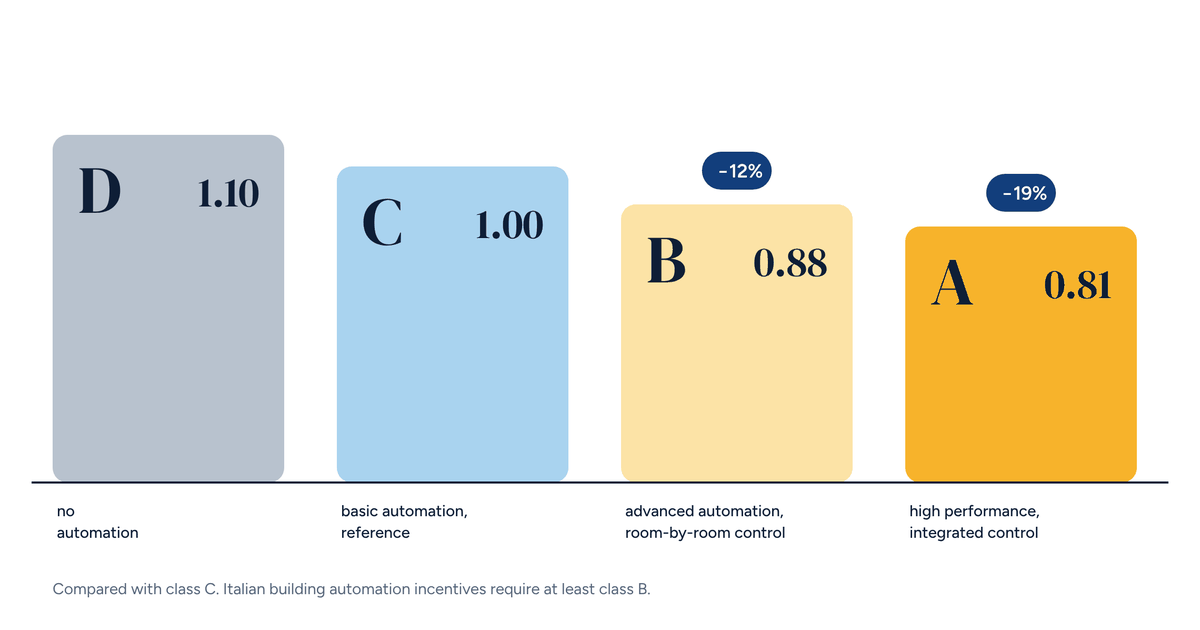
The four building automation classes, what class B requires in practice, why EU rules and incentives refer to it, and how to document a system.
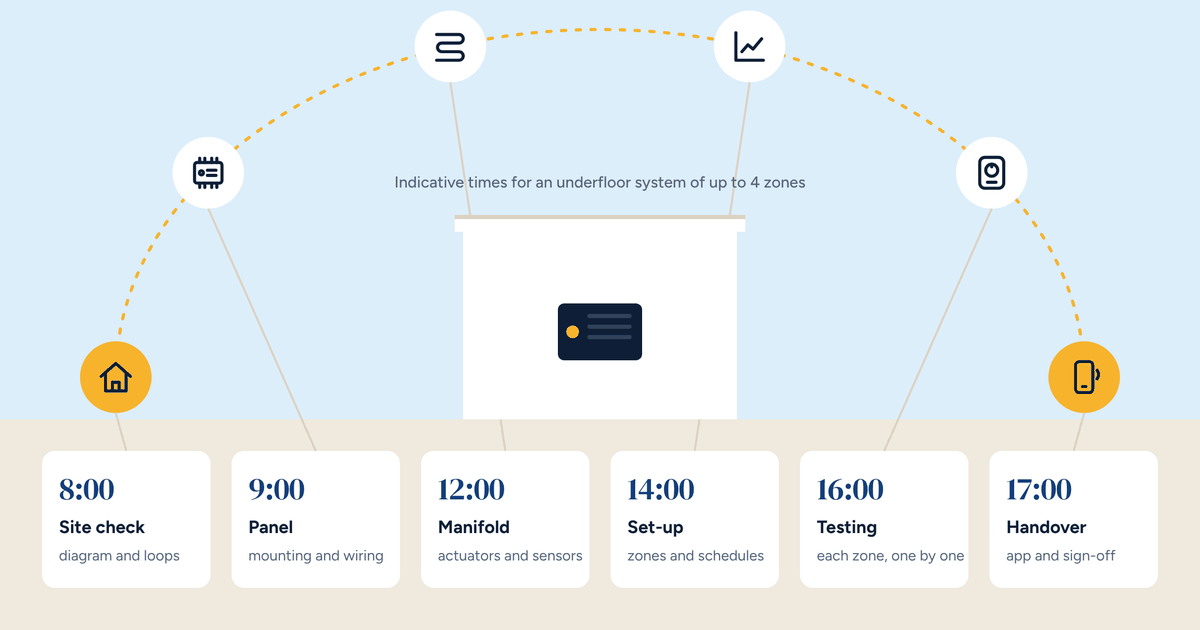
Keep the zone thermostats, add a controller, and the heating becomes a connected system in a single working day. Here is how, hour by hour.
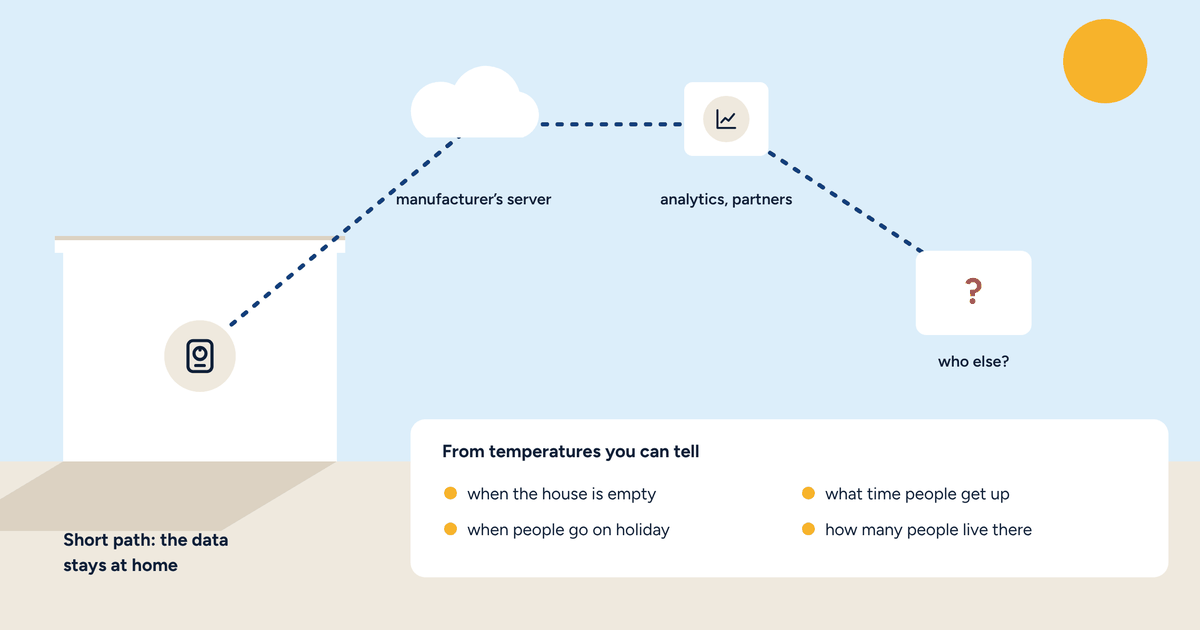
Temperatures, schedules, your phone’s location: what a smart thermostat collects, what it reveals, what the terms of use say and what the alternative is.
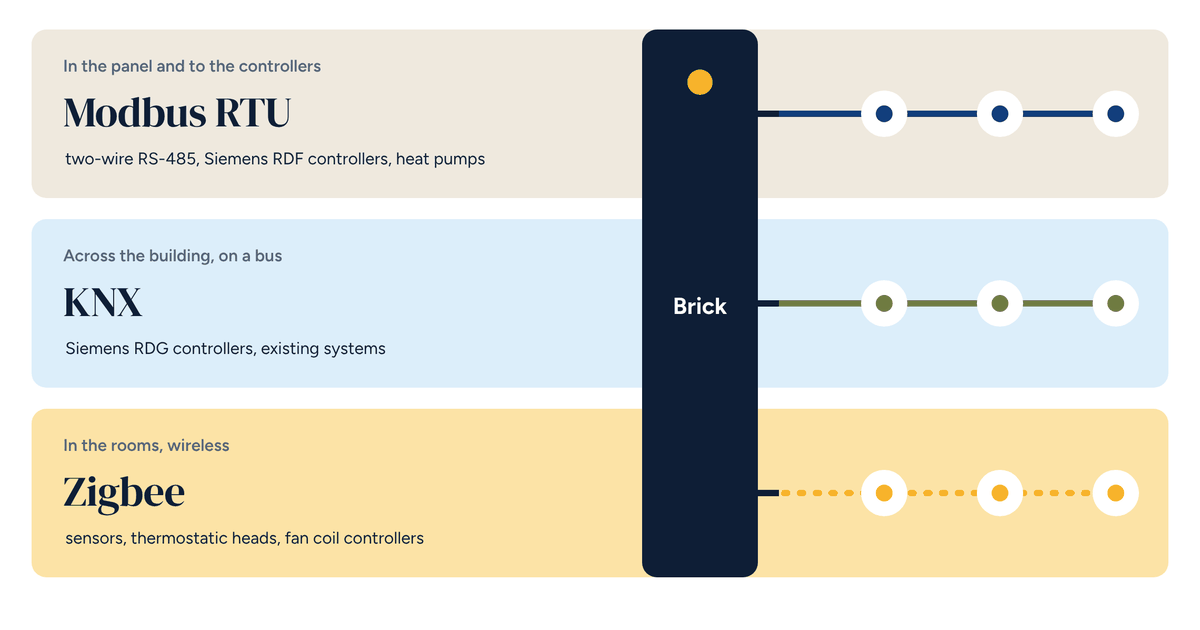
Modbus in the panel, KNX on the building bus, Zigbee in the rooms: how they work together with Home Assistant, and which wiring mistakes to avoid.
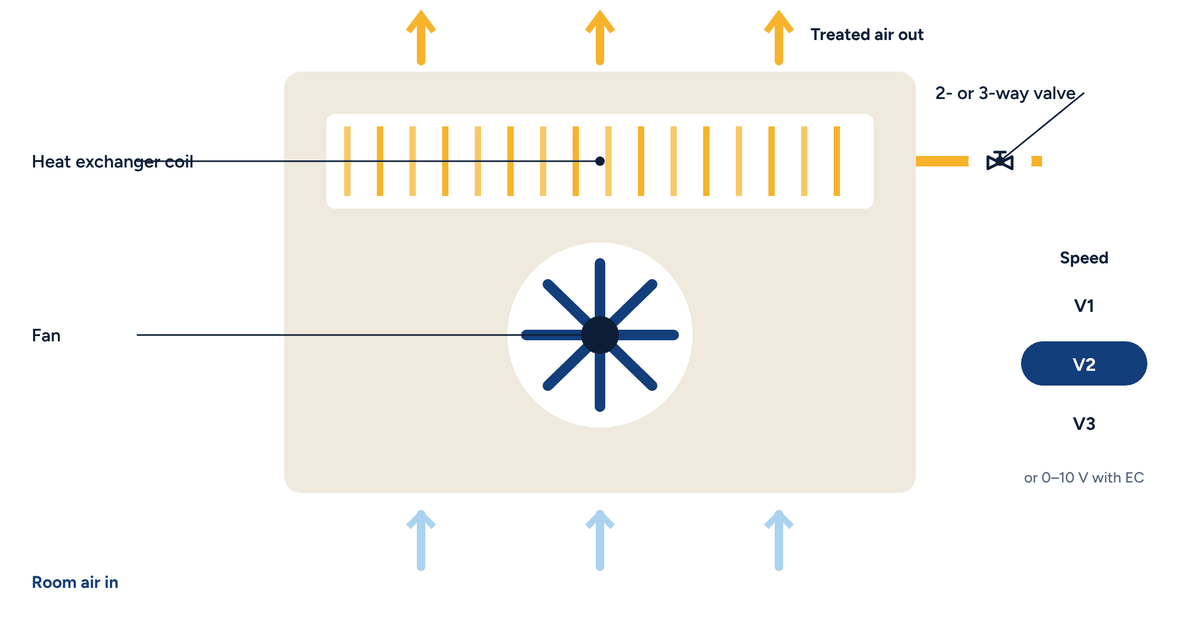
Fan speeds, valve, summer and winter: how to control a 3-speed fan coil by zone, which mistakes to avoid and when to move to 0–10 V EC motors.
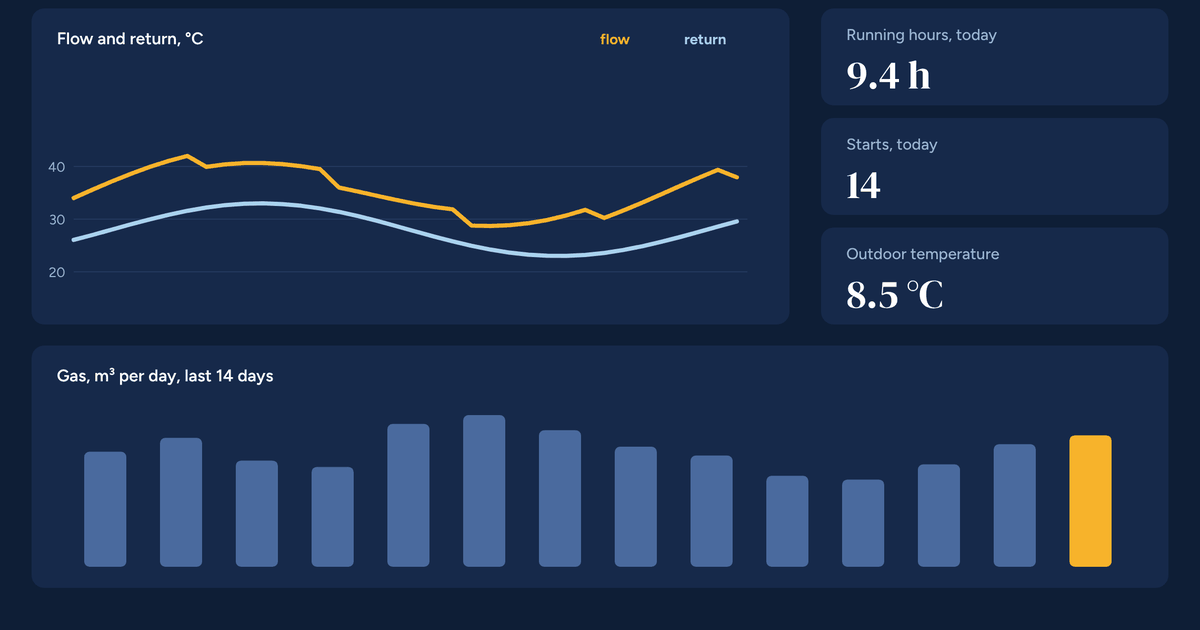
Which data to collect, where to store it and which panels to build: a Grafana dashboard with Home Assistant that shows how a heating plant really works.
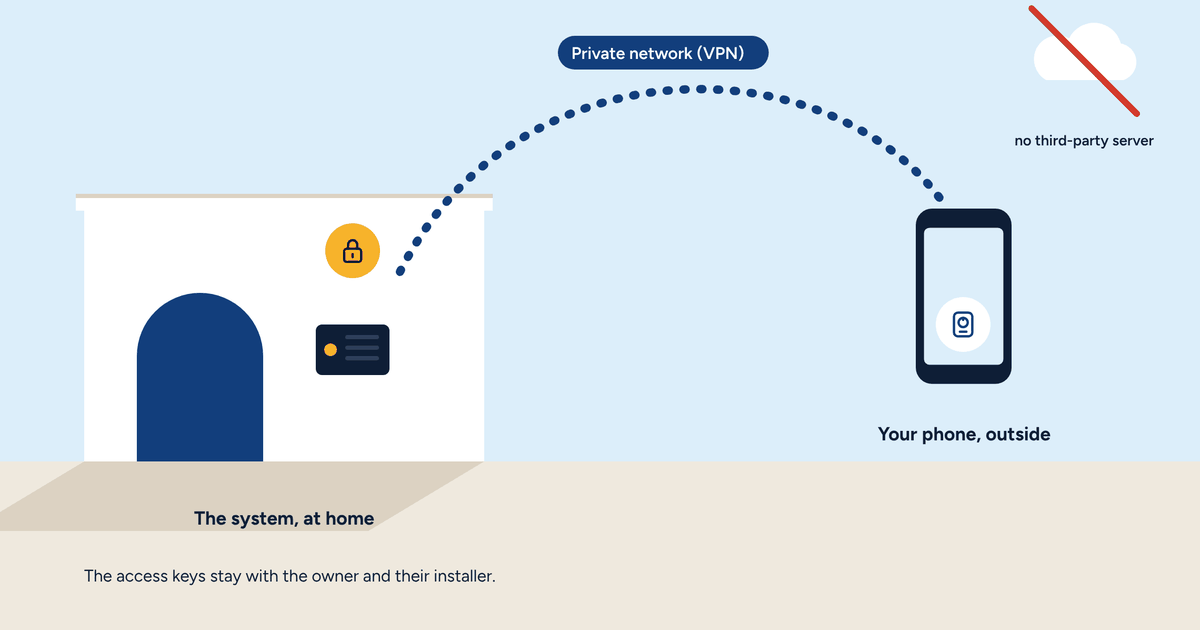
You can control your heating remotely without handing the system to a manufacturer’s server. How a private network works and who holds the keys.
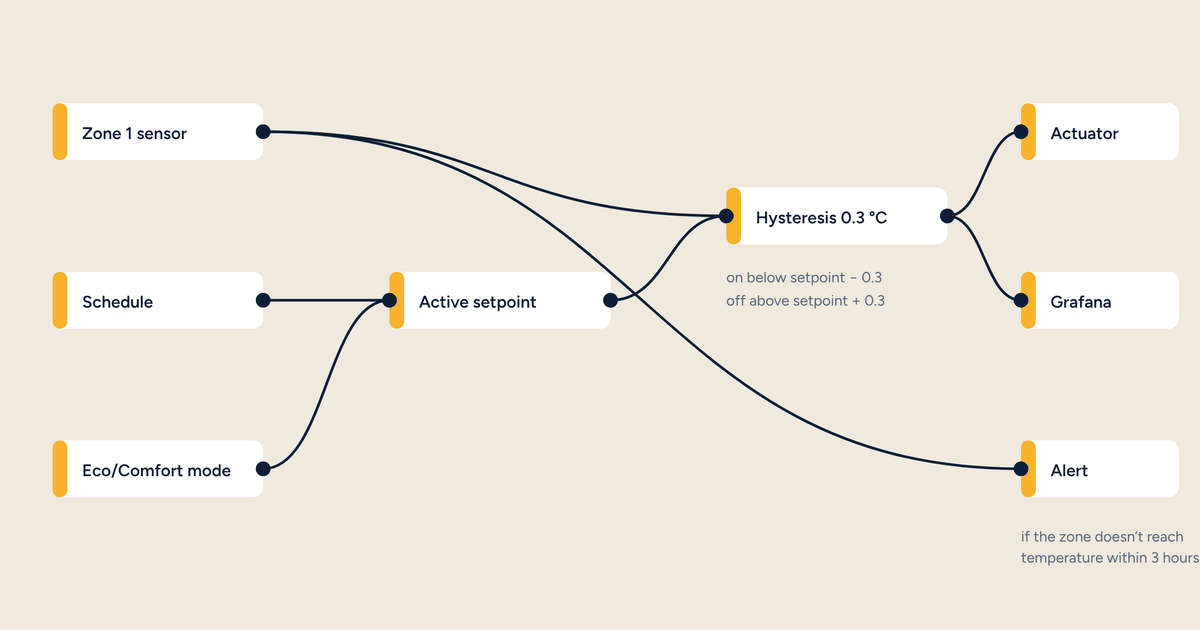
How to build the logic of a heating zone in Node-RED, alongside Home Assistant: set point, hysteresis, schedules and alerts. Flow included.
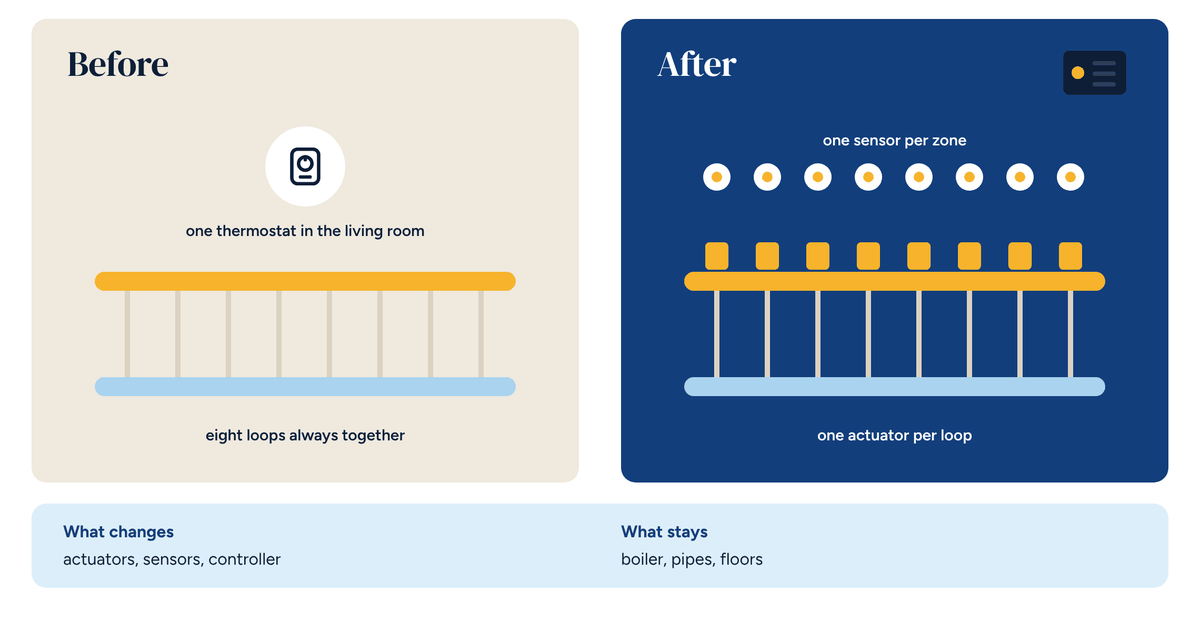
You can go from one thermostat to eight zones without touching the boiler, pipes or floors. What changes, what stays and how long the work takes.
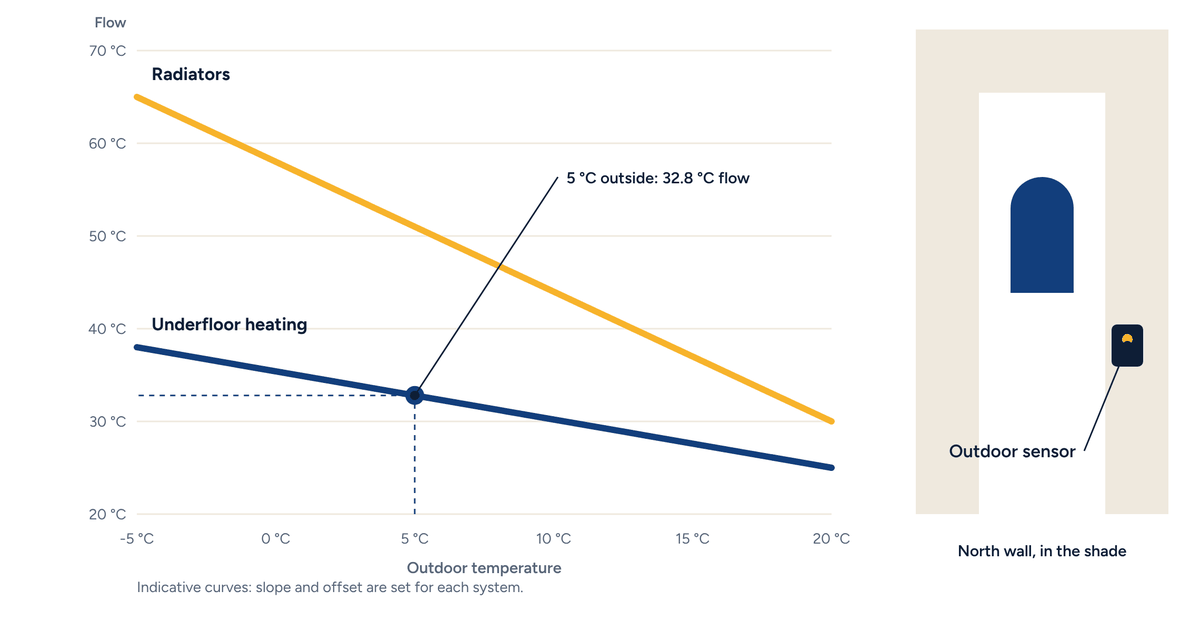
Slope, offset and design temperature: how to set the heating curve for underfloor heating or radiators, with examples and the most common mistakes.